
 Save
Save
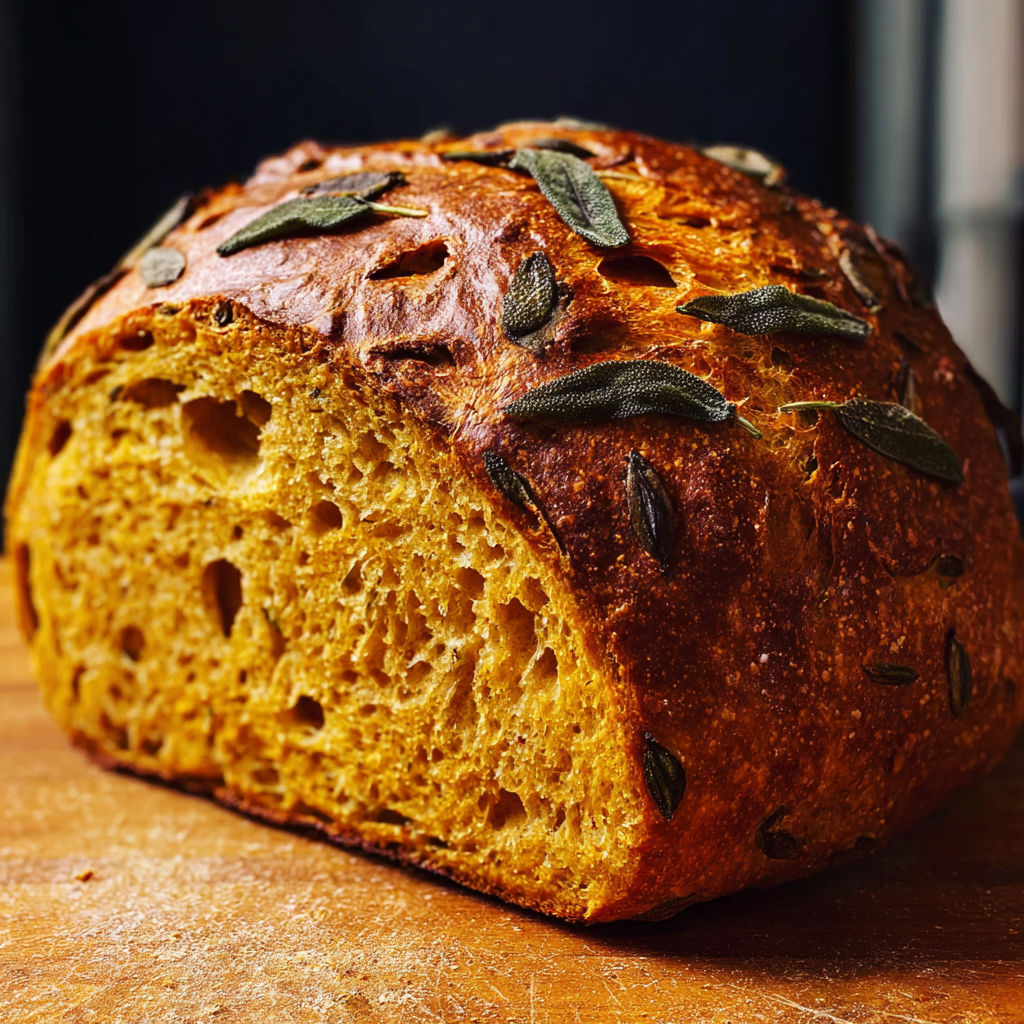
All through autumn and into early winter, this pumpkin and sage bread fills my kitchen with the most inviting aroma. It is a recipe I reach for when I want something comforting yet a little unexpected, packing both warmth and herby depth into every slice.
I remember the first time I made this bread for a gathering I set it out still warm. By the end of the night, not a crumb was left. Folks kept coming back surprised and delighted by the sage.
Ingredients
- All-purpose flour: gives the bread structure Always choose a fresh bag for maximum lift
- Canned pumpkin: brings moistness and color Go for pure pumpkin not pumpkin pie mix
- Fresh sage: contributes a piney almost peppery note Opt for leaves that look vivid and smell vibrant
- Brown sugar: lends rich sweetness and helps make the crumb extra soft Choose dark brown for a deeper taste
- Eggs: hold everything together Use large eggs at room temperature for a smooth batter
- Baking powder: ensures a good rise Make sure yours is still fizzy when wet so the loaf will be tall
- Ground cinnamon: adds fragrant warmth Pick Ceylon if you can for a more subtle flavor
- Ground nutmeg: is classic with pumpkin and intensifies the autumn aroma Freshly grated beats pre-ground every time
- Salt: sharpens all the other flavors A fine sea salt works best here
- Olive oil: adds a hint of fruitiness and keeps the bread tender Choose a mild affordable oil for baking
Instructions
- Prepare Wet Ingredients:
- Combine canned pumpkin brown sugar eggs and olive oil in a medium bowl Beat them together thoroughly until the mixture takes on a silky consistency
- Prepare Dry Ingredients:
- In a large mixing bowl whisk together the all-purpose flour baking powder ground cinnamon ground nutmeg and salt Blend until well combined with no streaks of any single ingredient
- Combine Wet and Dry:
- Pour your wet pumpkin mixture into the bowl of dry ingredients Using a spatula fold them together gently until just combined Do not overmix or the bread will turn dense
- Add Sage:
- Sprinkle the chopped fresh sage evenly over the batter Very carefully fold the sage in so its flecks are visible throughout
- Transfer to Pan:
- Grease a loaf pan well and line with parchment if you like Scrape in the batter and smooth the top with your spatula
- Bake:
- Place in a preheated oven at 350 degrees F Bake for 55 to 65 minutes Test the center with a toothpick or skewer It should come out dry with a few moist crumbs clinging to it
- Cool and Finish:
- Let the bread rest in the pan for 10 minutes before turning it out onto a wire rack Cool the loaf completely to ensure easy slicing and the best texture
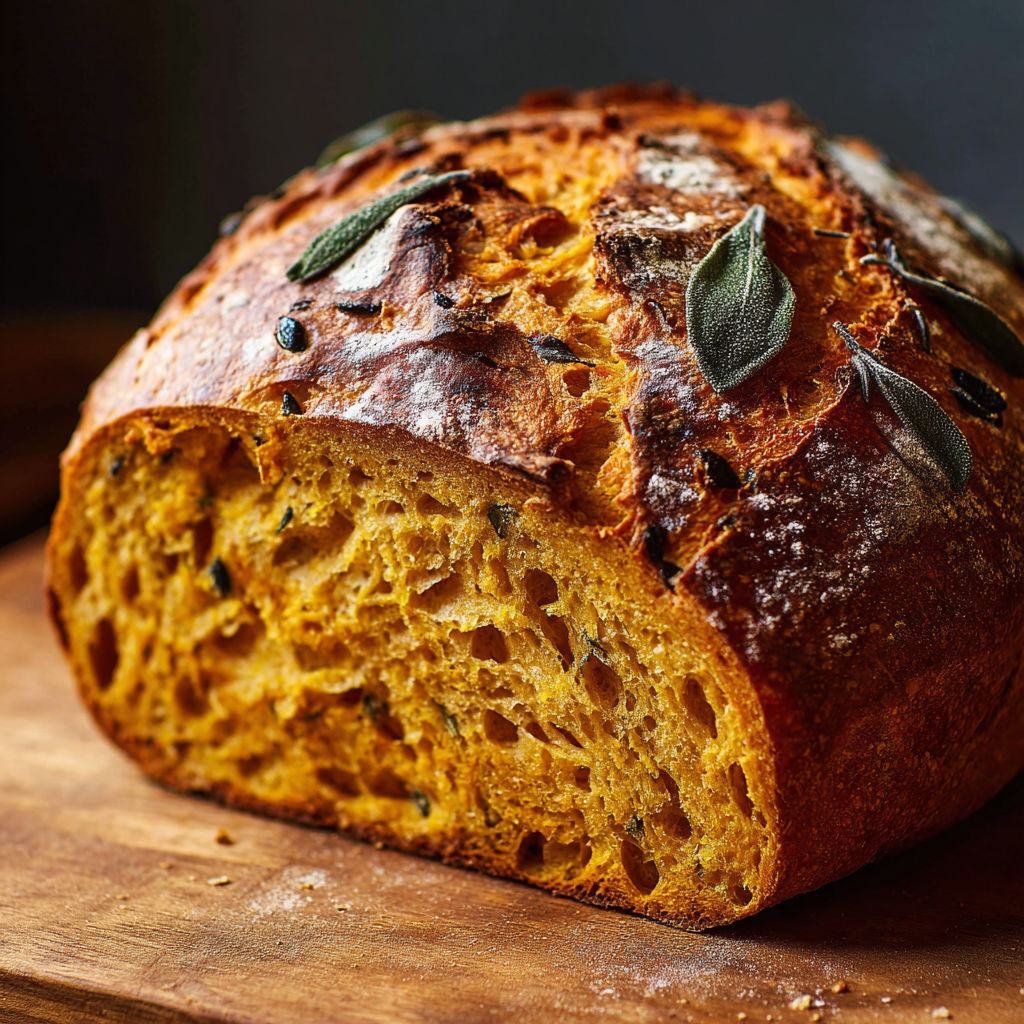
Sage is hands-down my favorite herb in this loaf Its earthy brightness takes the pumpkin from plain to unforgettable This used to be my go-to fall teacher gift and the way folks raved still makes me smile
Storage Tips
Once cool wrap the bread tightly in plastic or a cloth It will keep on the counter up to three days If you want it fresh longer pop it in the fridge or even freeze it individually wrapped I love tucking a slice into my work bag and letting it come to room temp by lunch
Ingredient Substitutions
No fresh sage on hand You can use half as much dried but the flavor will be milder If you only have pumpkin pie mix skip the extra sugar and spices but you will lose some control over taste Try melted butter in place of olive oil for a more classic bakery flavor
Serving Suggestions
A warm thick slice is wonderful with salted butter or a drizzle of honey Experiment pairing this bread with sharp cheddar or goat cheese for a savory snack Serve toasted with a little bit of leftover cranberry sauce for a holiday-inspired breakfast
Cultural and Seasonal Notes
Pumpkin breads are traditional across North America especially in the fall Sage is less common but used in savory breads throughout Europe which is how I first dreamed up the combination This bread feels right at home as a centerpiece for autumn gatherings or even as an edible gift It also works fine with butternut or kabocha squash puree if you have a garden surplus
Seasonal Adaptations
A few helpful notes Fresh pumpkin may be used with extra draining time Fold in toasted walnuts or pumpkin seeds for crunch Swap sage for rosemary or thyme for a new twist
Success Stories
There was a time my nephew declared he did not like pumpkin He ate half a loaf of this bread without ever guessing By the time I told him he was already asking for more
Freezer Meal Conversion
To freeze cut the cooled loaf into thick slices and separate with bits of parchment Stack them into a zip bag Slices defrost quickly and toast up perfectly on a weekday morning
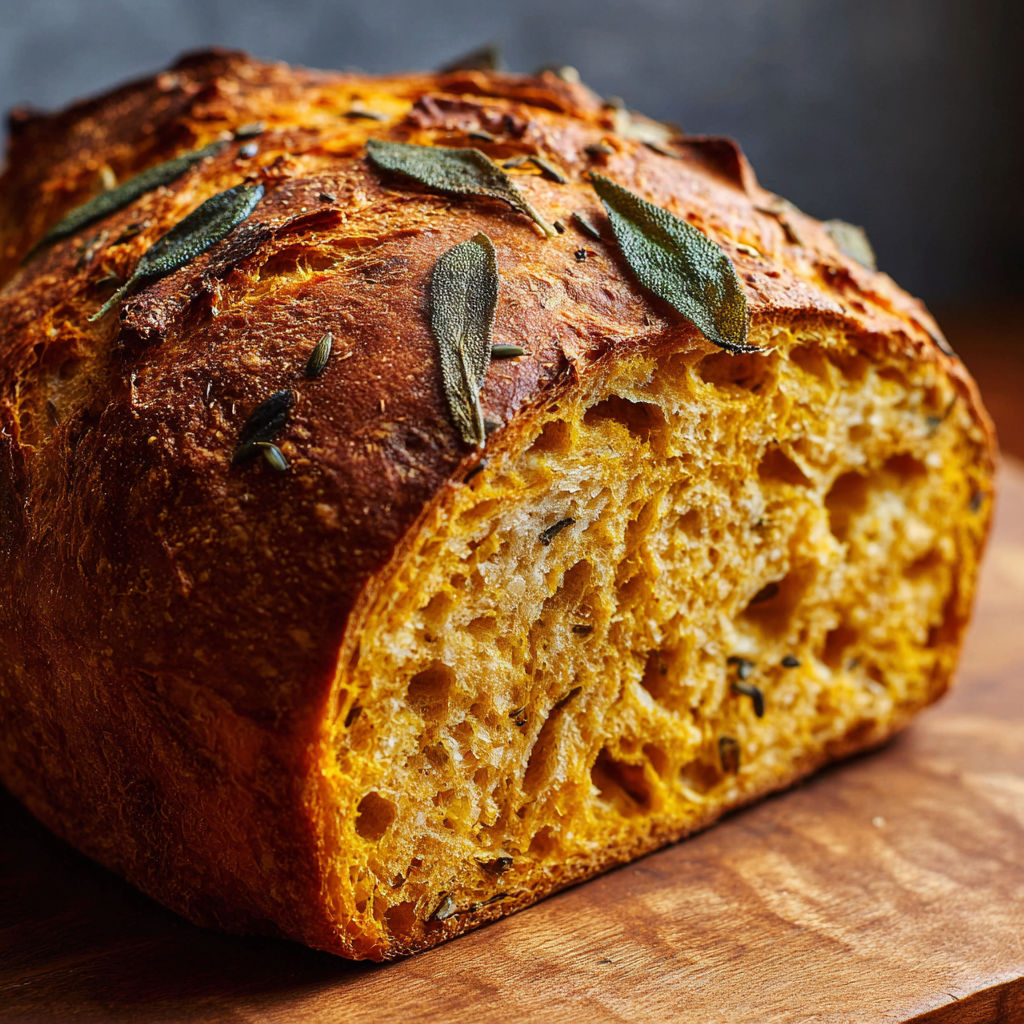
There is hardly a fall weekend that passes when this bread is not on my table The ritual of chopping sage and sensing the scent of baking pumpkin never fails to put me in a content mellow mood
Common Recipe Questions
- → How can I make the bread extra moist?
Ensure you don't overmix the batter and use fresh eggs and pure canned pumpkin for best moisture.
- → Can I substitute dried sage for fresh?
Dried sage can be used, but use less—about one-third the amount of fresh—since the flavor is more concentrated.
- → What is the best way to store leftover bread?
Wrap in plastic or store in an airtight container at room temperature for 2-3 days, or refrigerate for longer freshness.
- → Can this bread be made vegan?
Eggs can be replaced with flaxseed meal and water, and olive oil is already used instead of butter.
- → What pairs well with this bread?
Enjoy with savory soups, a pat of butter, or mild cheese to complement the flavors of sage and pumpkin.